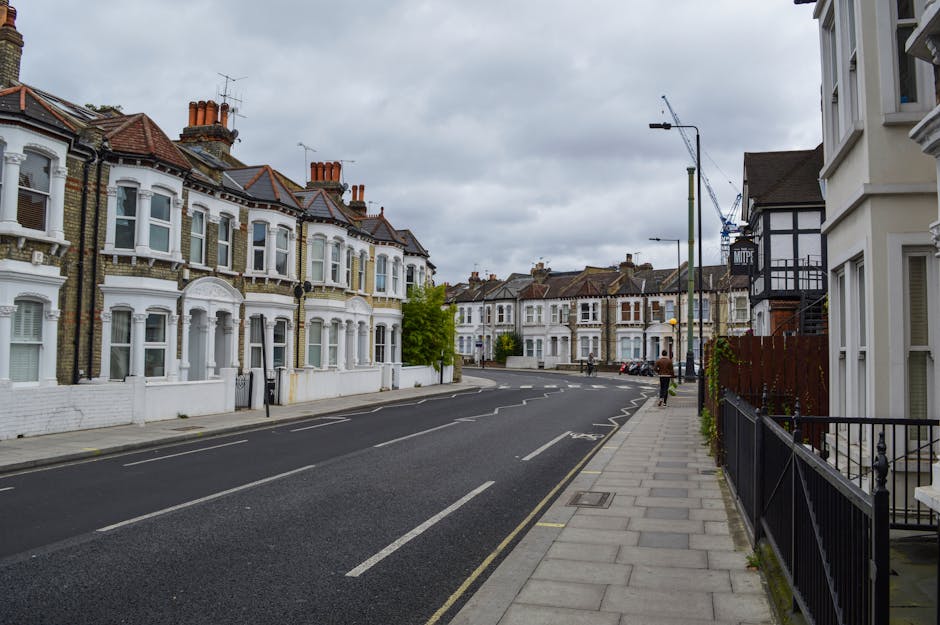
High Road Ilford removals guide for local house moves
If you are planning a move along High Road Ilford, you already know the tricky part is rarely the sofa. It is the timing, the parking, the stairs, the neighbours who are also trying to get on with their day, and the small details that can turn a simple house move into a long one. This High Road Ilford removals guide for local house moves brings all of that into one clear place so you can plan properly, avoid the usual mistakes, and keep the day as calm as possible.
Whether you are moving from a flat above a shop, a terraced house off the High Road, or a family home a few streets away, the basics are similar: good preparation, realistic timing, and the right support for your situation. Truth be told, the difference between a smooth local move and a stressful one is often just a handful of sensible decisions made early.
Below you will find practical advice on planning, packing, compliance, comparison of moving options, and a realistic checklist you can use before moving day. If you want to explore related services while you read, it can also help to look at house removals, packing services, and man and van support for smaller local moves.
Table of Contents
- Why High Road Ilford removals guide for local house moves Matters
- How High Road Ilford removals guide for local house moves Works
- Key Benefits and Practical Advantages
- Who This Is For and When It Makes Sense
- Step-by-Step Guidance
- Expert Tips for Better Results
- Common Mistakes to Avoid
- Tools, Resources and Recommendations
- Law, Compliance, Standards, or Best Practice
- Options, Methods, or Comparison Table
- Case Study or Real-World Example
- Practical Checklist
- Conclusion
- Frequently Asked Questions
Why High Road Ilford removals guide for local house moves Matters
High Road Ilford is busy, mixed-use, and not always forgiving on moving day. You have traffic, loading space that may be limited, pedestrians, buses, delivery vehicles, and the odd awkward corner where a wardrobe suddenly seems twice the size it did in the lounge. That is why a local move here benefits from a plan that is more practical than theoretical.
A good removals plan matters because local house moves often look simple on paper. Two streets over, no long-distance haul, no overnight stay. Easy, right? Then you discover the lift is tiny, the permit bay is already occupied, and the property chain wants you out by lunchtime. A proper guide helps you think ahead rather than react on the spot.
For families, renters, first-time buyers, and downsizers alike, the biggest value is control. You reduce unnecessary delays, protect your belongings better, and make it easier for movers, friends, or family to help. It also helps you decide whether you need full-service removals, partial support, or just a well-organised van and labour team.
Practical takeaway: local moves on and around High Road Ilford are usually less about distance and more about access, timing, and preparation. Get those three right and the rest becomes much easier.
This is especially true if you are coordinating with estate agents, landlords, or building managers. A little local knowledge goes a long way. Even something as ordinary as avoiding the busiest pickup window can save you an hour you did not have to spare.
How High Road Ilford removals guide for local house moves Works
The process itself is straightforward, but each stage benefits from a bit of structure. A local removals job usually starts with a survey or quote request, followed by a discussion of property access, the volume of items, packing needs, and any awkward furniture. From there, the removals team or moving plan is matched to the job.
For a local move, the work often falls into three broad parts: collection, loading, and delivery. That sounds obvious, but the detail matters. For example, if your new place is on a narrower road or up several flights of stairs, the team may need more time, smaller carrying routes, or a different vehicle setup. These are the practical realities that decide how smooth the day feels.
Most local moves also benefit from a packing stage. Some people do this themselves, using sturdy boxes, tape, labels, and wraps. Others ask for help with fragile items, wardrobes, mirrors, artwork, or kitchenware. If you are trying to decide what to pack yourself, a general rule is simple: pack the easy, non-breakable items early, and leave the awkward, breakable, or high-value items for closer attention.
If you are comparing service levels, it can help to check area-specific information too. Pages like Ilford removals coverage and moving services in Redbridge can be useful when you want local context rather than generic advice.
In practice, the best moves are the ones where every step is clear before the first box is lifted. Not glamorous. Just effective.
Key Benefits and Practical Advantages
There are several reasons people choose a local removals service instead of trying to wing it with a few borrowed cars and a lot of optimism. To be fair, some small moves can be managed that way. But once furniture, time pressure, and access issues enter the picture, a structured approach usually wins.
- Less stress on moving day: everyone knows what is happening and when.
- Better protection for belongings: proper wrapping and handling reduce damage risk.
- Faster loading and unloading: trained movers work more efficiently than ad hoc lifting.
- Smarter use of local access: the team can plan around roads, parking, and tight entrances.
- More predictable timing: especially helpful where handover times are fixed.
- Reduced physical strain: fewer heavy lifts for you, family, or friends.
There is also a less obvious advantage: emotional breathing room. Moving is tiring. Boxes everywhere, kettle packed, phone constantly buzzing. When the logistics are handled well, you have more energy left for the practical bits that matter, like checking the meter readings, finding the keys, and making the first cup of tea in the new place without having to hunt through three boxes marked "misc".
Local moves can also be more affordable and flexible than long-distance relocations because the travel time is smaller. That said, the final cost still depends on labour, vehicle size, packing support, access, and any waiting time. The key is to compare like with like rather than only looking at the headline figure.
Who This Is For and When It Makes Sense
This guide is useful for anyone moving within Ilford or nearby parts of East London, especially if the route includes High Road Ilford or surrounding streets with busy daytime activity. It makes sense for:
- First-time buyers who need step-by-step clarity.
- Renters moving between flats or HMOs with tight schedules.
- Families managing school runs, furniture, and a lot of boxes.
- Downsizers who need careful handling of valued belongings.
- Landlords and tenants coordinating end-of-tenancy deadlines.
- Small business owners moving household goods, stock, or home office equipment locally.
It also makes sense if you are in one of those slightly awkward situations where the move is local, but not simple. Maybe you are going from a third-floor flat to a house with a narrow driveway. Maybe the new place is ready, but the old one has limited parking outside. Maybe you have a heavy bed frame, a glass table, and not enough strong hands to safely lift them. That is where local removals support starts to feel less like a luxury and more like common sense.
If your move is very light, you may only need a small vehicle and loading help. If it is a full family home, full removals may be the better fit. A quick review of your inventory usually makes the answer obvious enough.
Step-by-Step Guidance
The easiest way to keep a local move under control is to break it into clear stages. It sounds basic, but basic done well beats complicated done badly every time.
- Start with a realistic inventory. Walk through each room and note large furniture, fragile items, and anything awkward to carry.
- Check access at both properties. Think about stairs, lifts, door widths, loading points, parking, and any time restrictions.
- Choose the right service level. Decide between full removals, man and van, or partial packing help depending on your volume and budget.
- Book early where possible. School holidays, month-end dates, and weekends can get busy fast.
- Pack in a sensible order. Start with rarely used items, then work towards daily essentials last.
- Label boxes clearly. Room name, contents, and whether an item is fragile. A little extra ink saves a lot of confusion.
- Separate essentials. Keep medication, chargers, documents, tea bags, toiletries, and a change of clothes to hand.
- Protect furniture properly. Use blankets, covers, or wrapping for surfaces that scratch easily.
- Confirm timings and contact details. Especially if keys are changing hands at a fixed time.
- Do a final sweep before leaving. Cupboards, loft access, under beds, behind doors, and inside the washing machine. You would be surprised.
A small but important detail: pack one clearly marked "first night" box. It should include mugs, kettle, basic cutlery, phone charger, toiletries, toilet paper, and anything you know you will need before the rest of the boxes are opened. It is such a simple thing, yet people forget it all the time.
If you want help with the packing part specifically, a dedicated packing support option can save a huge amount of fiddly work and reduce breakages.
Expert Tips for Better Results
Local removals tend to go better when you think like the crew, not just like the person moving house. In other words, what makes the job easier to carry, stack, load, and unload? That is the real question.
1. Prepare the largest items first
Wardrobes, beds, dining tables, and sofas should be assessed early. If anything needs dismantling, do not leave it to the final hour. Missing fixings have a habit of vanishing at the worst possible moment.
2. Use consistent box sizes where you can
Mixed box sizes are normal, but too much variation can make stacking awkward. A set of uniform medium boxes often works better than a random pile of overfilled containers that bow in the middle. Heavy items should go in smaller boxes anyway. Your back will thank you later.
3. Think about traffic and timing
On a road like High Road Ilford, time of day matters. A slightly earlier start can mean calmer loading conditions and fewer delays. In the afternoon, you may find access gets busier. Sometimes the schedule is the whole game.
4. Keep fragile items separate from general household goods
Glassware, mirrors, frames, and electronics should not end up buried under books and pans. Mark them clearly and make sure the people handling them know they need extra care.
5. Share anything unusual in advance
If you have a piano, antique cabinet, awkward stair turn, or a parking restriction, mention it early. No one likes surprises when the truck is already outside. Well, no one except maybe the neighbours.
One more thing: if you are moving from a flat with limited access, measure door frames and key furniture pieces before the day arrives. It is a plain step, but it can save a very uncomfortable moment at the threshold.
Common Mistakes to Avoid
Most moving problems are preventable. The same few mistakes crop up again and again, and they are usually not dramatic ones. They are the small ones people shrug off until moving day arrives.
- Underestimating how much you own. One box becomes five, then ten. It happens.
- Leaving packing too late. Late packing leads to poor labelling and more breakages.
- Ignoring parking or access issues. This is a big one on busy local roads.
- Not measuring furniture. Large items can get stuck in hallways, lifts, or stair bends.
- Choosing the cheapest quote without checking what is included. A low quote can hide limited labour, waiting charges, or no packing help.
- Forgetting essentials. Keys, documents, medication, and chargers should never be buried in the back of a box pile.
- Not confirming insurance or liability terms. This matters if you are moving valuable or fragile items.
Another classic issue is assuming friends can lift anything. They may be willing, and that is lovely, but goodwill does not replace straps, blankets, and a safe lifting plan. A cracked table leg or sore back can turn a favour into a headache very quickly.
Small mistake, big nuisance. That is the pattern.
Tools, Resources and Recommendations
You do not need a truckload of gear to move well, but the right tools make a difference. A modest kit can save hours of frustration.
- Strong cardboard boxes in a few standard sizes
- Packing tape and a tape dispenser
- Labels or marker pens for room-by-room sorting
- Bubble wrap or paper wrap for fragile items
- Furniture blankets or covers to protect surfaces
- Ratchet straps or ties where suitable for securing loads
- Gloves and sturdy shoes for safer lifting
- Utility knife or scissors for opening and unwrapping
- A phone camera for documenting item condition before transport
As for resources, it is useful to review any dedicated service pages that match your move. For example, if the job is light but involves stairs and quick loading, a man and van service may be the sensible option. If you need a fuller move with furniture handling, house removals support is often better. And if the move is within the wider borough, the local Ilford area page can help you understand the service footprint.
One practical tip: keep a simple written list of what is going into each box. Not every box, necessarily, because let's face it, nobody wants to write a novel on cardboard. But enough to know where the kettle, paperwork, and cables have gone.
Law, Compliance, Standards, or Best Practice
For a local house move, compliance is less about complicated legal rules and more about sensible, responsible practice. That said, there are a few things worth keeping in mind.
First, parking and loading on public roads may be subject to local restrictions. In Ilford and the wider Redbridge area, restrictions can vary by street, bay, and time of day, so it is wise to check the situation in advance rather than assuming a van can stop anywhere. If a permit is needed, sort that out early.
Second, if you live in a managed block, the building may have its own rules about lift booking, moving hours, or floor protection. Those rules are often there for good reason. They help avoid noise complaints, lift damage, and awkward conversations with the management office at 8:30 in the morning.
Third, reputable removals work should follow normal UK expectations around care, safe lifting, and property handling. If you are comparing providers, ask about insurance cover, what happens if an item is damaged, and how they manage fragile items or dismantling. It is not being fussy. It is being sensible.
If you are moving items with special value, such as antiques, artwork, or specialist equipment, tell the mover in advance. Standard handling may not be enough, and a cautious approach is better than hopeful assumptions.
Best practice is simple: disclose access issues, confirm timings, check insurance, and keep any building or parking requirements in writing where possible. Boring? A little. Useful? Very.
Options, Methods, or Comparison Table
Different local moves need different solutions. The right choice depends on volume, access, budget, and how much lifting you want to do yourself.
| Option | Best for | Pros | Watch out for |
|---|---|---|---|
| Full removals service | Whole-house moves, families, larger flats | Less stress, more help, better for bulky furniture | Usually costs more than a basic van hire approach |
| Man and van | Smaller moves, student flats, light furniture | Flexible, often more budget-friendly, quicker for short jobs | May not suit large loads or lots of heavy lifting |
| Packing only | Busy households or fragile possessions | Saves time, improves protection, reduces last-minute rush | You still need transport and scheduling sorted |
| Self-move with help | Very small local moves with few items | Can be cheaper if you already have transport | More physical strain and more chance of poor packing |
If you are unsure which route to take, ask yourself one question: what is more valuable to you right now, money or time? Most people need a balance of both, of course, but the answer usually points to the right choice. If the move is physically awkward or time-sensitive, support tends to pay for itself in peace of mind alone.
Case Study or Real-World Example
Here is a realistic local scenario. A couple moving from a top-floor flat near High Road Ilford to a terrace a short drive away had a fairly ordinary set of belongings: one bed, a sofa, dining table, a few shelves, kitchenware, and plenty of boxes. Nothing dramatic. But the flat had a narrow staircase, parking was limited, and completion timing was tight.
Instead of leaving it until the final weekend, they started three weeks ahead. They measured the larger furniture, booked a moving slot after checking the street access, and packed room by room. One person handled documents and essentials, the other dealt with non-daily items. They also kept a first-night box and labelled the most fragile items with extra care.
On the day itself, things still felt busy, because moving always does. But the key difference was that nobody was making decisions under pressure. The crew could load efficiently, the boxes were ready, and the move finished without that terrible late-afternoon scramble where everyone is hungry and someone has lost the kettle. You know the feeling.
The lesson is not that every move will be flawless. It is that preparation removes the avoidable problems. And that is half the battle.
Practical Checklist
Use this simple checklist in the days before your move. Print it, save it, scribble on it, whatever works for you.
- Confirm your moving date and arrival time.
- Check access at both properties, including stairs and lift use.
- Arrange parking or loading permissions if needed.
- Measure large furniture and doorways.
- Pack a first-night essentials box.
- Label all boxes by room and priority.
- Wrap fragile items securely.
- Dismantle large furniture where appropriate.
- Keep important documents and keys with you.
- Take meter readings before leaving.
- Photograph the condition of valuable items if useful.
- Check cupboards, loft spaces, and behind furniture before you go.
- Make sure pets and children have a calm, safe plan for the day.
- Have water, snacks, and phone chargers accessible.
Quick moving-day reminder: if something feels rushed, pause for ten seconds and reset. A brief pause is often cheaper than a rushed mistake.
Conclusion
A local move around High Road Ilford does not need to be chaotic. With the right preparation, clear timing, and a service level matched to your home, it can be a well-managed day rather than a stressful one. The important thing is to focus on the parts that actually cause problems in real life: access, parking, packing quality, and communication.
Use this guide as your planning framework, then adapt it to your own home, your schedule, and the size of the move. If the job is small, keep it simple. If it is larger or more complex, get support early. Either way, the goal is the same: fewer surprises, safer handling, and a move that feels under control from the first box to the last.
If you would like to compare options or get a clearer idea of what your move might involve, speak to a trusted local removals team and ask the questions that matter most to your property and your timing.
Get a free quote today and see how much you can save.
And once the last box is in, the kettle is found, and the door closes behind you, take a breath. That quiet moment is worth a lot.
Frequently Asked Questions
How far in advance should I book a local move on High Road Ilford?
As early as you can, especially if you are moving on a weekend, at month-end, or during a busy school holiday period. Local moves can book up quickly, and early planning gives you more choice on timings.
Do I need a full removals service for a short move?
Not always. If you have only a few items, a smaller vehicle and labour support may be enough. A full service makes more sense when you have bulky furniture, fragile items, or limited time.
What should I pack in my essentials box?
Include things you will need immediately: kettle, mugs, tea or coffee, toiletries, phone charger, medication, toilet paper, a change of clothes, snacks, and important documents.
How do I know if parking will be a problem?
Check both properties in advance. Look at whether the road is busy, whether there are bays or restrictions, and whether your building or street requires permission. On a busy road, this can make a huge difference.
Is man and van enough for a flat move in Ilford?
Sometimes yes, especially for lighter or smaller loads. But if you have stairs, heavy furniture, or lots of boxes, you may need more support than a basic van job.
Should I dismantle furniture before moving day?
Where practical, yes. Beds, tables, and some wardrobes are easier and safer to move when broken down. Keep screws, fittings, and instructions together in a labelled bag.
What if my move-in time is delayed?
It happens. Keep your mover updated, stay flexible where possible, and avoid packing essential items in unreachable places. A little buffer time can reduce a lot of stress.
How do I protect fragile items properly?
Use strong boxes, wrap items individually, fill empty spaces so things do not shift, and label the box clearly. Glass, mirrors, and electronics deserve a bit more care than everyday items.
Are there special rules for moving from a managed flat?
Often yes. Building managers may set moving hours, lift booking requirements, or floor protection rules. Always check these in advance so you are not turned away on the day.
What should I ask a removals company before booking?
Ask what is included, whether packing help is available, how they handle access issues, what insurance cover applies, and whether there are any waiting or extra labour charges. Clear answers early are a good sign.
How can I reduce moving costs without cutting corners?
Declutter before you move, pack what you can in advance, choose a sensible date if you have flexibility, and be honest about access and item volume so the quote is accurate.
What is the biggest mistake people make with local house moves?
Underestimating the logistics. A short distance does not automatically mean a simple move. Parking, stairs, timing, and packing quality often matter more than mileage.